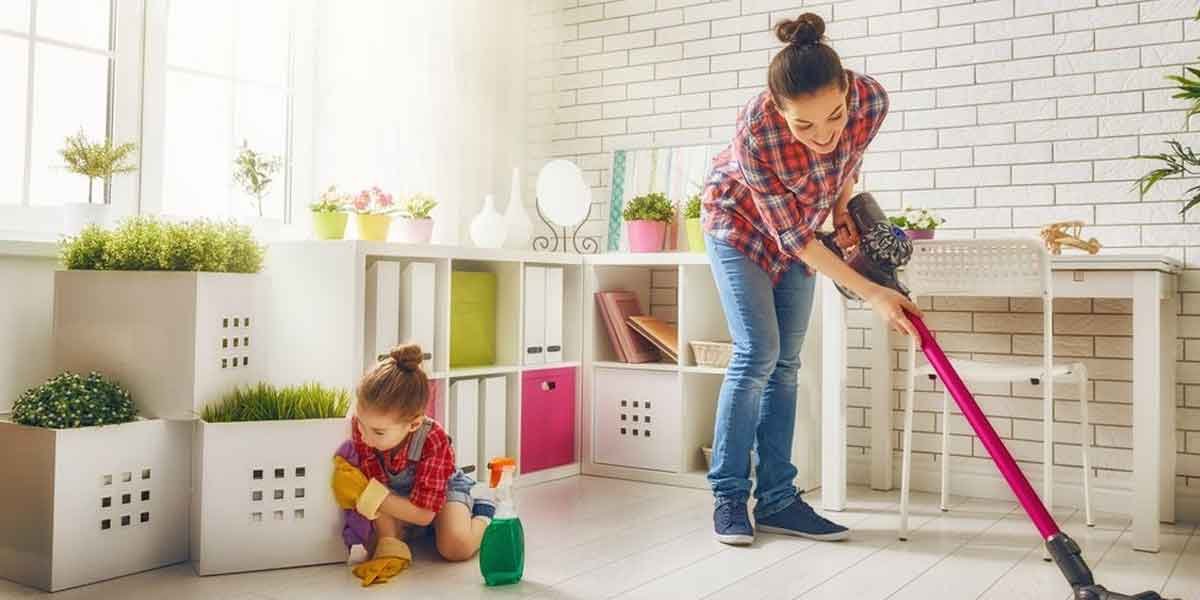
Keeping a home consistently clean ranks among the most persistent challenges of domestic life. Dust, allergens, and pet hair accumulate quietly, degrading indoor air quality and fueling allergies and respiratory problems over time. Choosing the right tools is foundational to any effective routine — a reliable vacuum cleaner, for instance, serves as a cornerstone appliance in most households, while families with animals often find that specialized pet vacuum cleaners are far better suited to the demands of heavy shedding. It’s a straightforward principle: matching your tools to your specific circumstances makes a real, measurable difference in building a genuinely healthy home.
Understanding Indoor Air Quality and Its Impact
Indoor air is frequently more polluted than the air outside, yet it receives a fraction of the attention. Dust mites colonize bedding and upholstery, feeding on shed skin cells. Pet dander — microscopic flecks of animal skin — drifts freely from room to room. Volatile organic compounds (VOCs) off-gas from paints, furnishings, and cleaning products, steadily introducing chemical pollutants into the air we breathe every day.
Particles classified as PM2.5 (fine particulate matter smaller than 2.5 microns) are particularly worrying because they penetrate deep into lung tissue, aggravating asthma and contributing to chronic respiratory conditions. The most common indoor allergens and where they tend to originate include:
- Dust mites– mattresses, pillows, carpets
- Mold spores– bathrooms, basements, damp walls
- Pet dander– furniture, clothing, and air ducts
- Pollen– tracked indoors on shoes and clothing
The Science of Effective Home Cleaning
Cleaning regularly disrupts allergen accumulation before it reaches harmful concentrations. HEPA (High-Efficiency Particulate Air) filtration — a standard recognized by health and environmental bodies worldwide — captures particles as small as 0.3 microns, trapping the vast majority of airborne allergens. The World Health Organization recommends cleaning high-contact surfaces at least weekly to meaningfully reduce pathogen and allergen loads.
The impact is tangible. Take a household where two members struggled with persistent allergy symptoms: after committing to weekly floor vacuuming and bi-weekly bedding washes, both reported a noticeable reduction in nighttime discomfort within just a few weeks. It’s a useful reminder that consistency, not complexity, is what actually drives results.
Strategies for Dust and Allergen Control
Bedrooms and living rooms deserve the most attention, since they tend to harbor the highest concentrations of dust and dander. Five dusting practices that make a genuine difference:
- Always work top to bottom— dust falls, and your cleaning approach should account for that
- Use microfiber cloths, which trap particles rather than scattering them around
- Dust before vacuuming so any dislodged debris gets captured on the pass
- Clean ceiling fans and air vents regularly — they’re among the most overlooked sources of buildup
- Avoid dry feather dusters, which tend to launch allergens back into the air rather than removing them
One homeowner dealing with stubborn dust buildup transformed their space simply by swapping cotton rags for microfiber alternatives and committing to a weekly schedule. Modest changes, significant improvement — it really can be that straightforward.
Managing Pet Hair and Odors in the Home
Pet hair presents a two-sided problem: it physically tangles into carpet fibers and upholstery, and it acts as a carrier for dander and odor-causing bacteria. Rubber brushes and lint rollers offer effective mechanical removal from soft furnishings, while washing pet bedding weekly eliminates bacterial buildup without leaning on chemical treatments. Pairing these hair-removal habits with proper ventilation — opening windows or running exhaust fans — helps disperse airborne dander before it has a chance to resettle on surfaces.
Integrating Cleaning into Daily Routines
Lasting cleanliness depends on layered, manageable habits rather than heroic occasional efforts. Weekly tasks should cover vacuuming floors and wiping down surfaces; bi-weekly efforts can target bedding and upholstery; monthly deep cleans should work through vents, baseboards, and appliances. Air purifiers with HEPA filters complement surface cleaning by continuously pulling airborne particles out of circulation. Keeping indoor humidity between 30–50% actively discourages both mold growth and dust mite proliferation. And small daily habits — spot-cleaning pet resting areas, wiping kitchen counters after use, removing shoes at the door — collectively prevent the kind of buildup that becomes a much bigger job later.
Advanced Tips for Long-Term Home Health
During high-pollen seasons, increasing vacuuming frequency and keeping windows closed during peak hours can substantially reduce indoor contamination. On the sustainability front, plant-based detergents and washable microfiber tools cut VOC exposure without sacrificing cleaning effectiveness. Allergists and indoor air quality specialists consistently make the same point: source control — addressing allergen origins directly rather than simply reacting to symptoms — delivers far more durable results than intensive but infrequent cleaning ever will.
Key Takeaway: Top 3 Habits for Lasting Air Quality Improvement
- Vacuum carpets and upholstery weekly using HEPA-filtered equipment
- Control indoor humidity to suppress mold and dust mite growth
- Wash soft furnishings and pet bedding on a regular, consistent cycle
Conclusion
A clean, healthy home is built through consistent, informed habits — not occasional deep cleans. By understanding which pollutants are present, how they behave, and which strategies neutralize them most effectively, any household can achieve measurably better air quality and long-term well-being. Take a moment to honestly assess your current routine. Identifying even one gap and addressing it right away is a practical, immediate step toward a healthier home for everyone who lives in it.